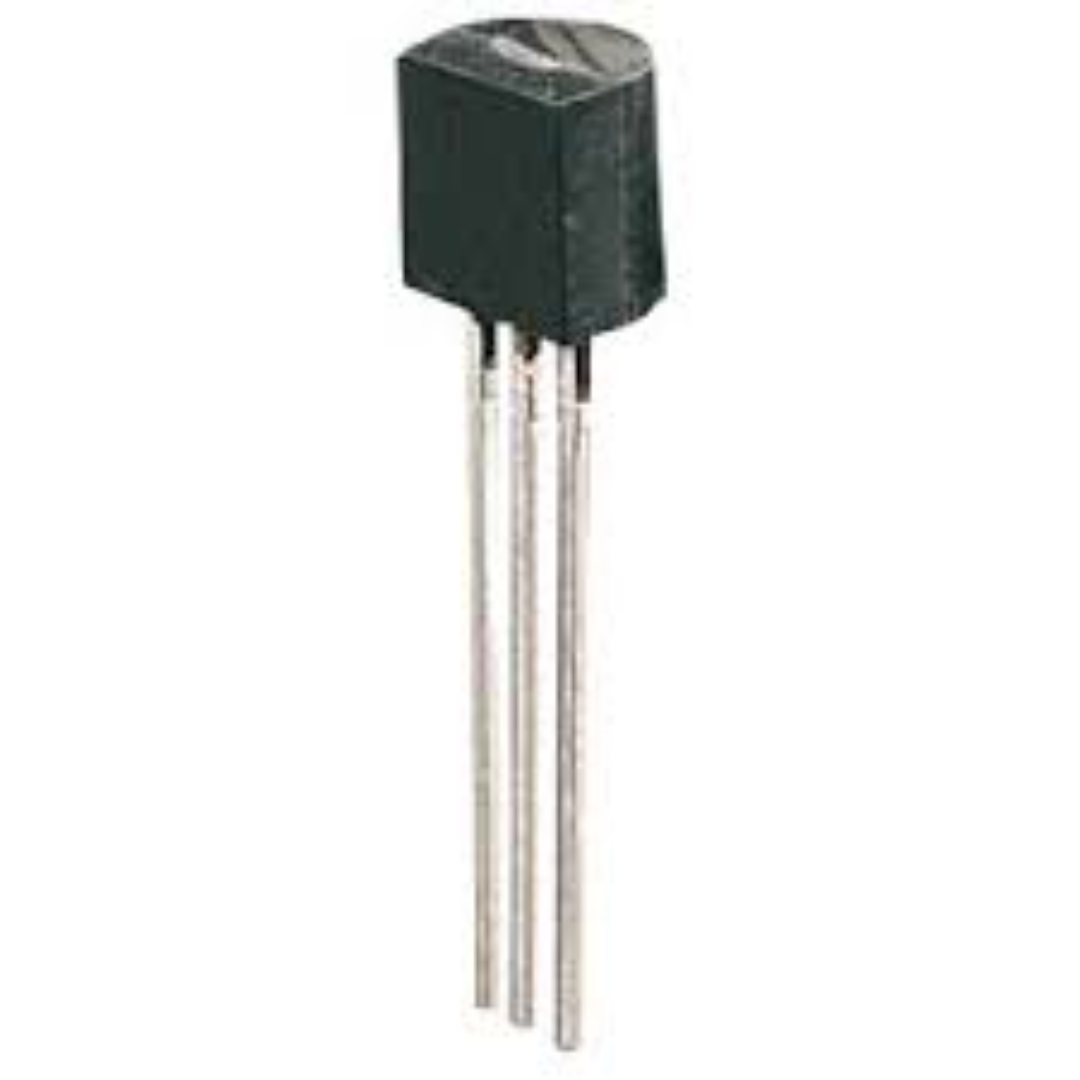
Darlington transistors are semiconductor devices that combine two bipolar junction transistors (BJTs) into a single configuration to achieve very high current gain. In a Darlington pair, the emitter of the first transistor is directly connected to the base of the second transistor, allowing the amplified current from the first stage to drive the second stage. This arrangement results in a total current gain equal to the product of the gains of both transistors, making Darlington transistors ideal for applications requiring large current amplification from a very small input signal.
Due to their high gain characteristics, Darlington transistors can be easily driven by low-current control signals, such as those from microcontrollers, logic circuits, or sensor outputs. This makes them especially useful for interfacing low-power electronic circuits with high-current loads without the need for complex driver circuitry.