
Connecting global trade
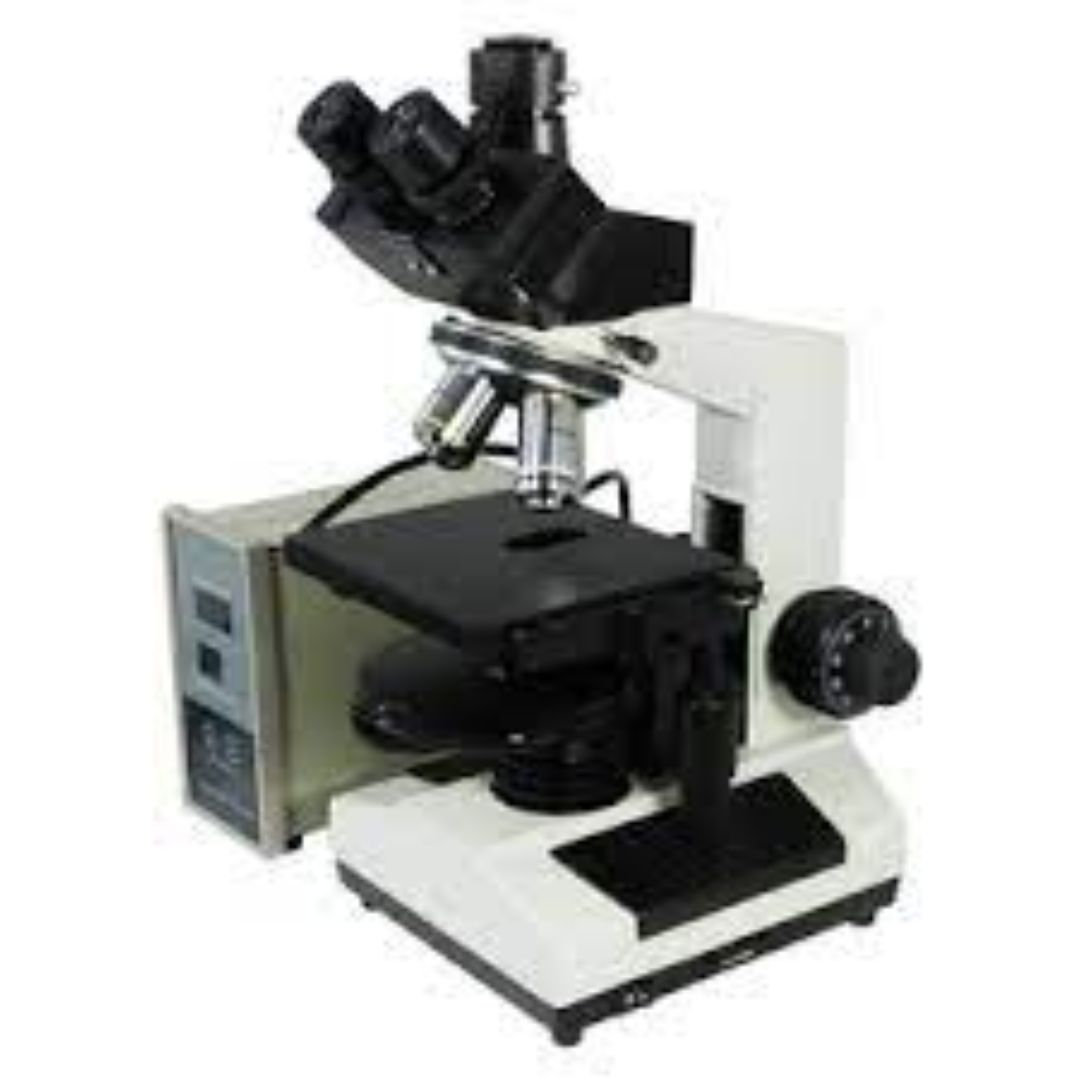
-221258.webp)

| Minimum order quantity | 2600 |
| Port of dispatch | Contact Supplier |
| Processing time | Contact Supplier |
| Estimate pricing | Contact Supplier |
| Packaging | Contact Supplier |
| Availability | In stock |
How would you like to use our global B2B marketplace?
 US
US
.png) Verified Supplier
Verified Supplier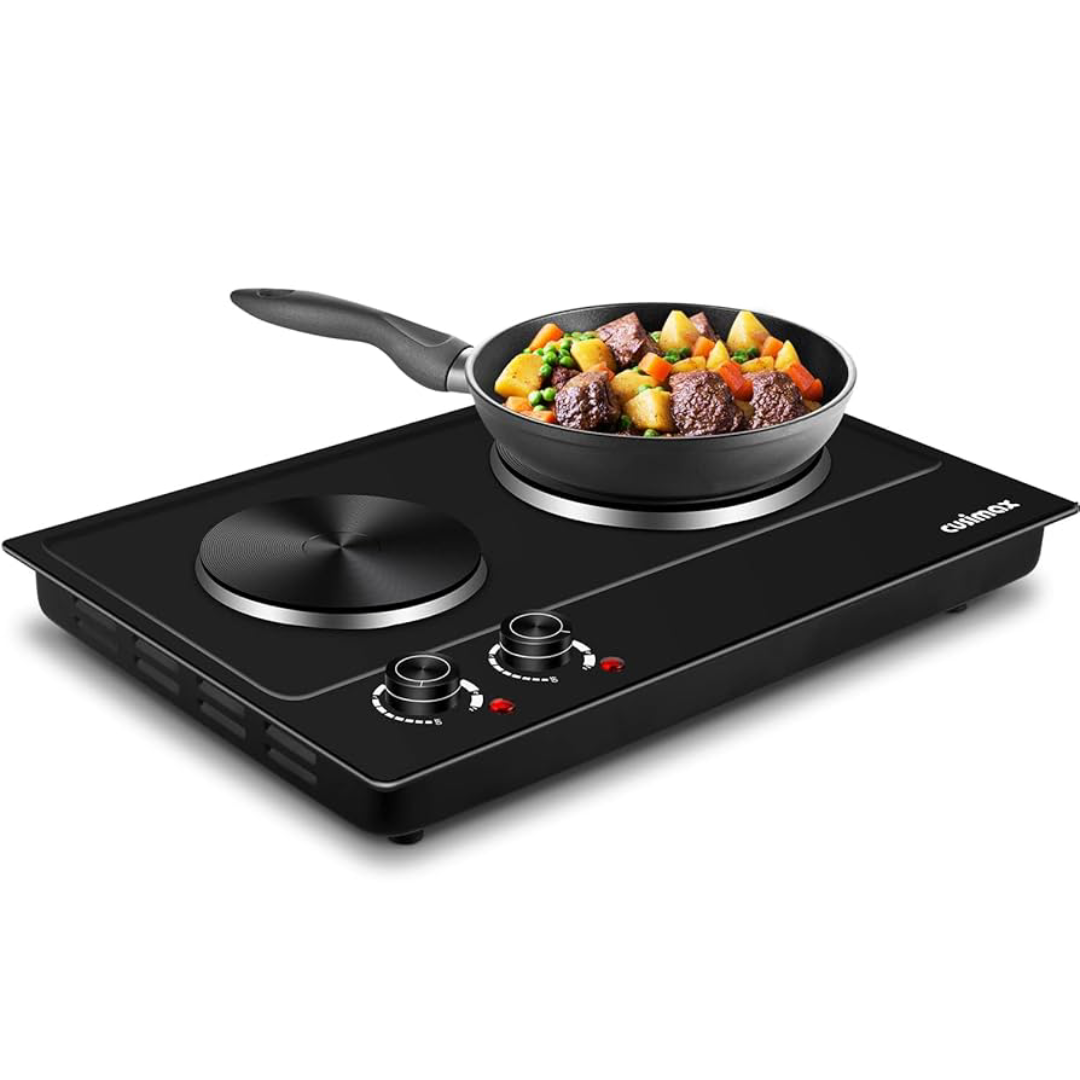
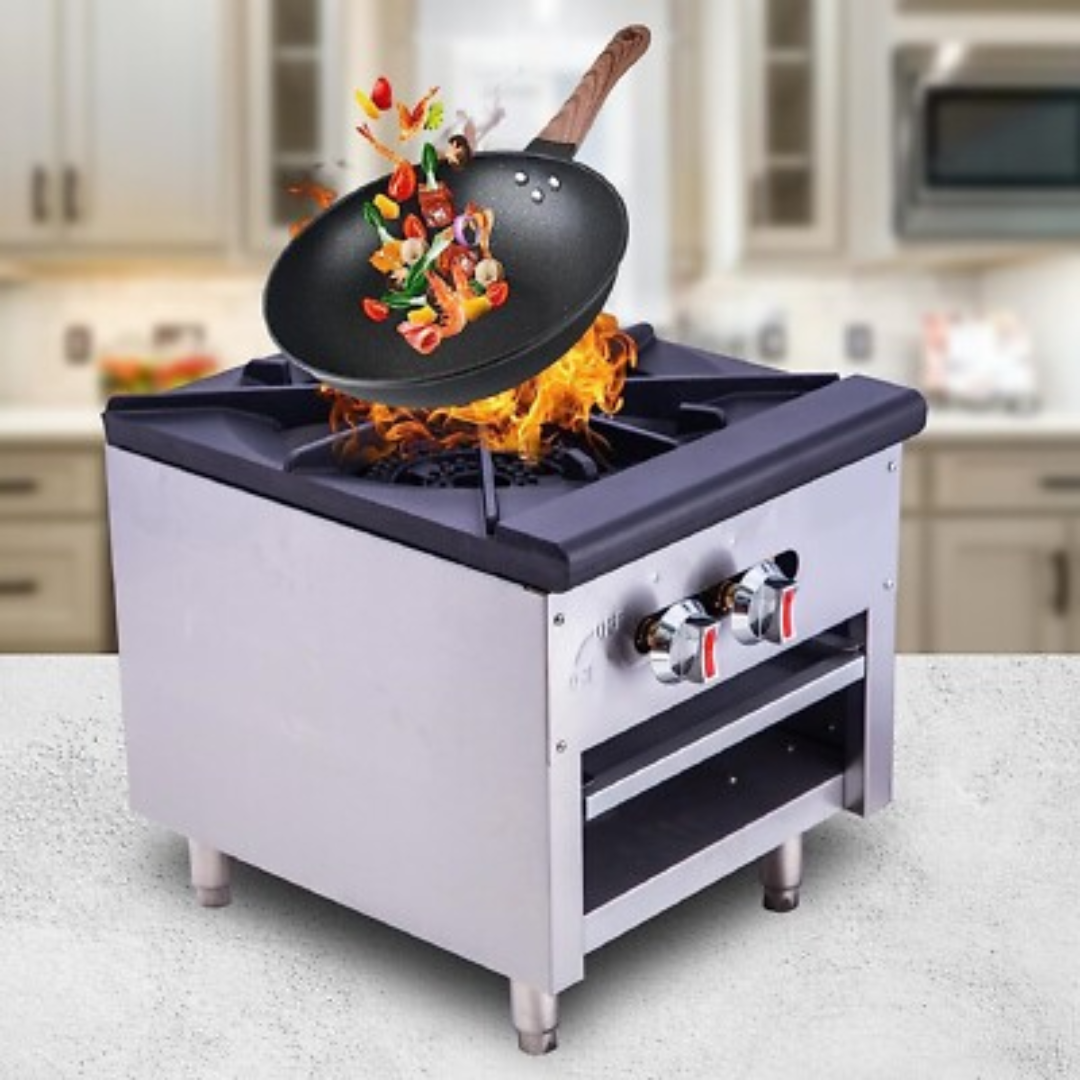
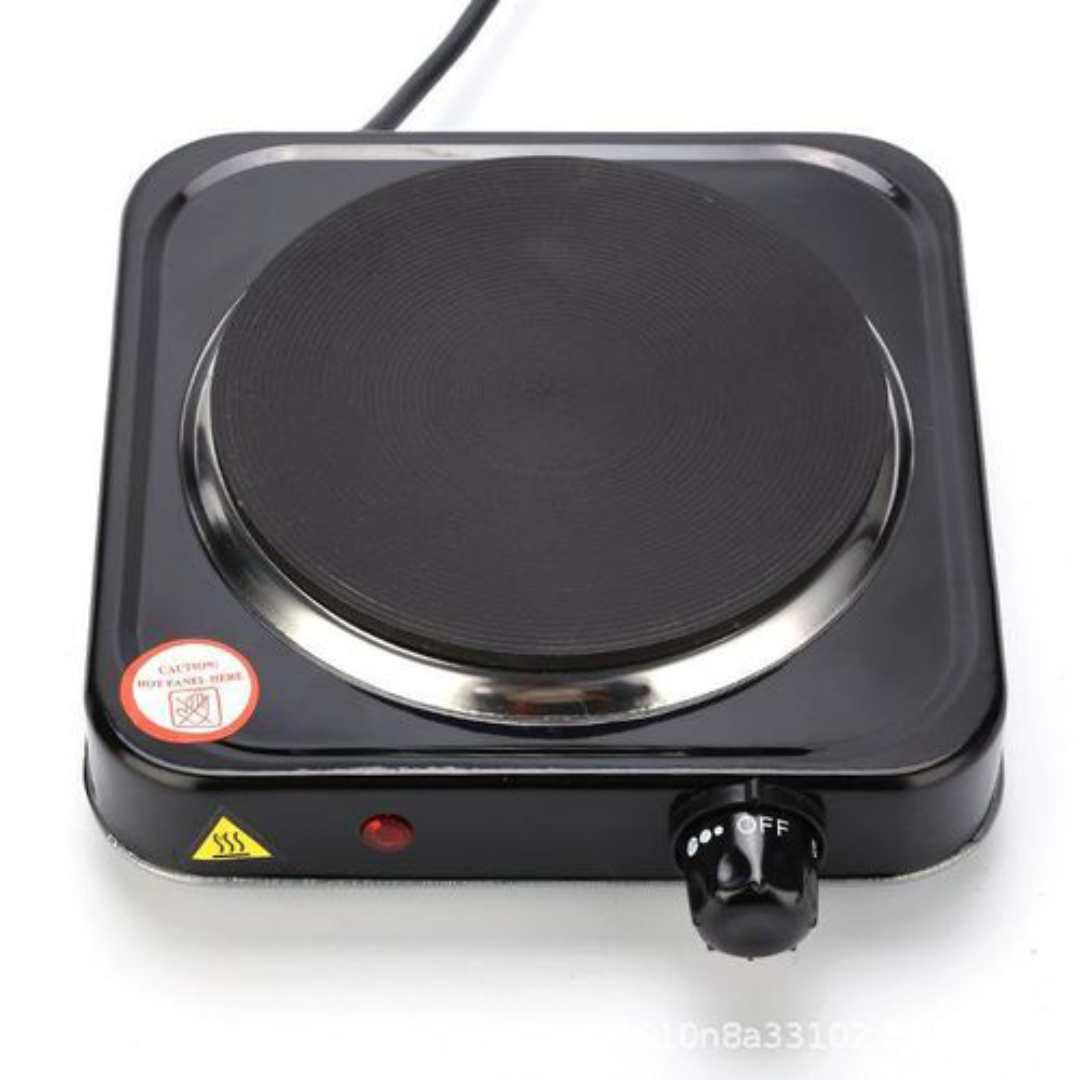
-169552.webp)
-144553.webp)
 CN
CN
-491788.webp)