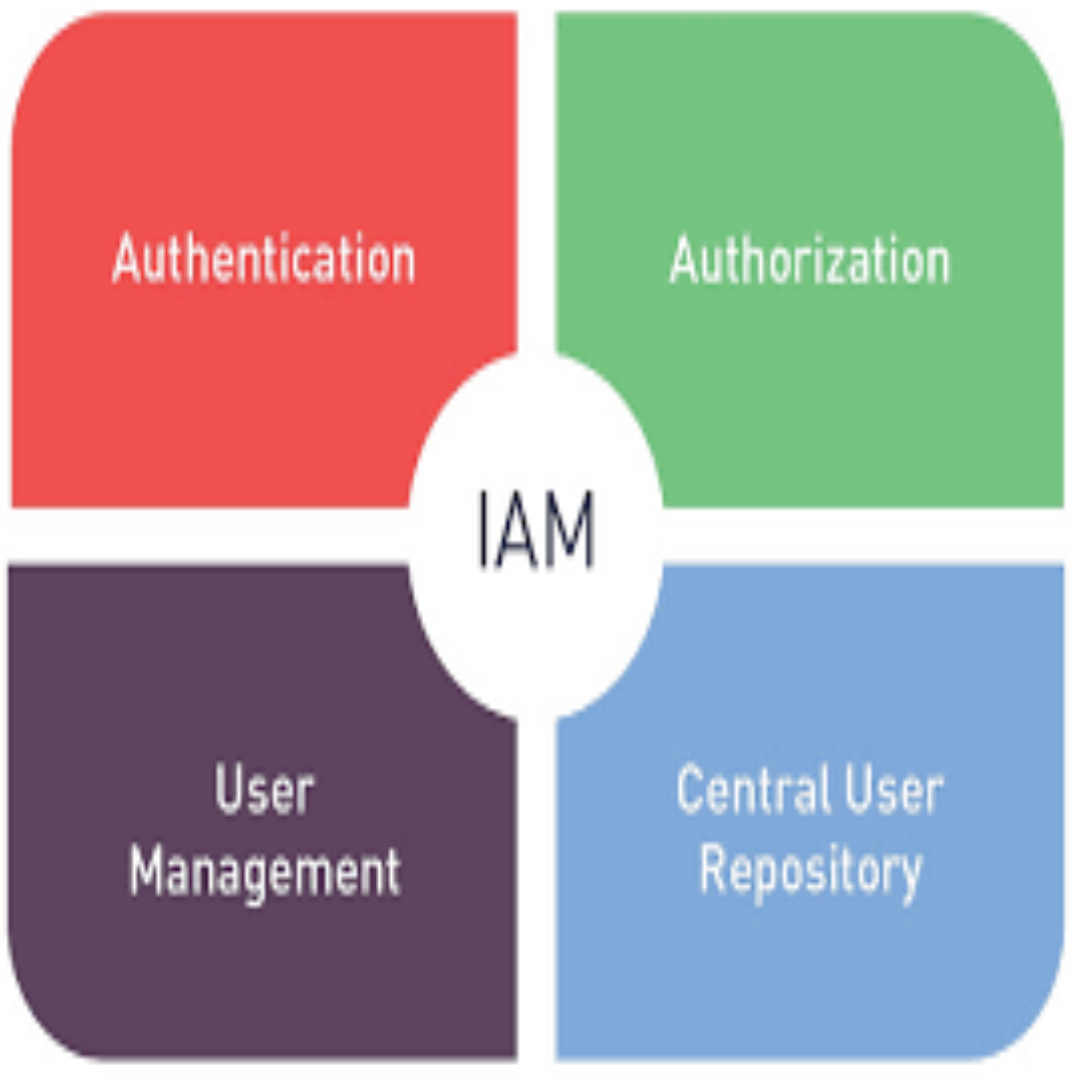
User Authentication - Verifies user identity via passwords, biometrics, MFA (multi-factor authentication), or SSO (single sign-on).
Access Authorization - Defines and enforces role-based access control (RBAC) or attribute-based access control (ABAC) to manage permissions.
Single Sign-On (SSO) - Allows users to access multiple systems with one login—streamlining workflows and reducing password fatigue.
Multi-Factor Authentication (MFA) - Adds layers of security by combining two or more verification methods (e.g., password + OTP or biometrics).
Identity Lifecycle Management - Automates user provisioning, de-provisioning, and updates across systems when roles change.
Federated Identity Management - Enables users to access systems across organizational or domain boundaries using standards like SAML or OAuth.
Audit Logging & Compliance - Maintains logs of identity activities, permission changes, and access attempts to support audits (GDPR, HIPAA, SOX, etc.).
Privileged Access Management (PAM) -Secures, monitors, and manages access for highly privileged accounts like admins or root users.