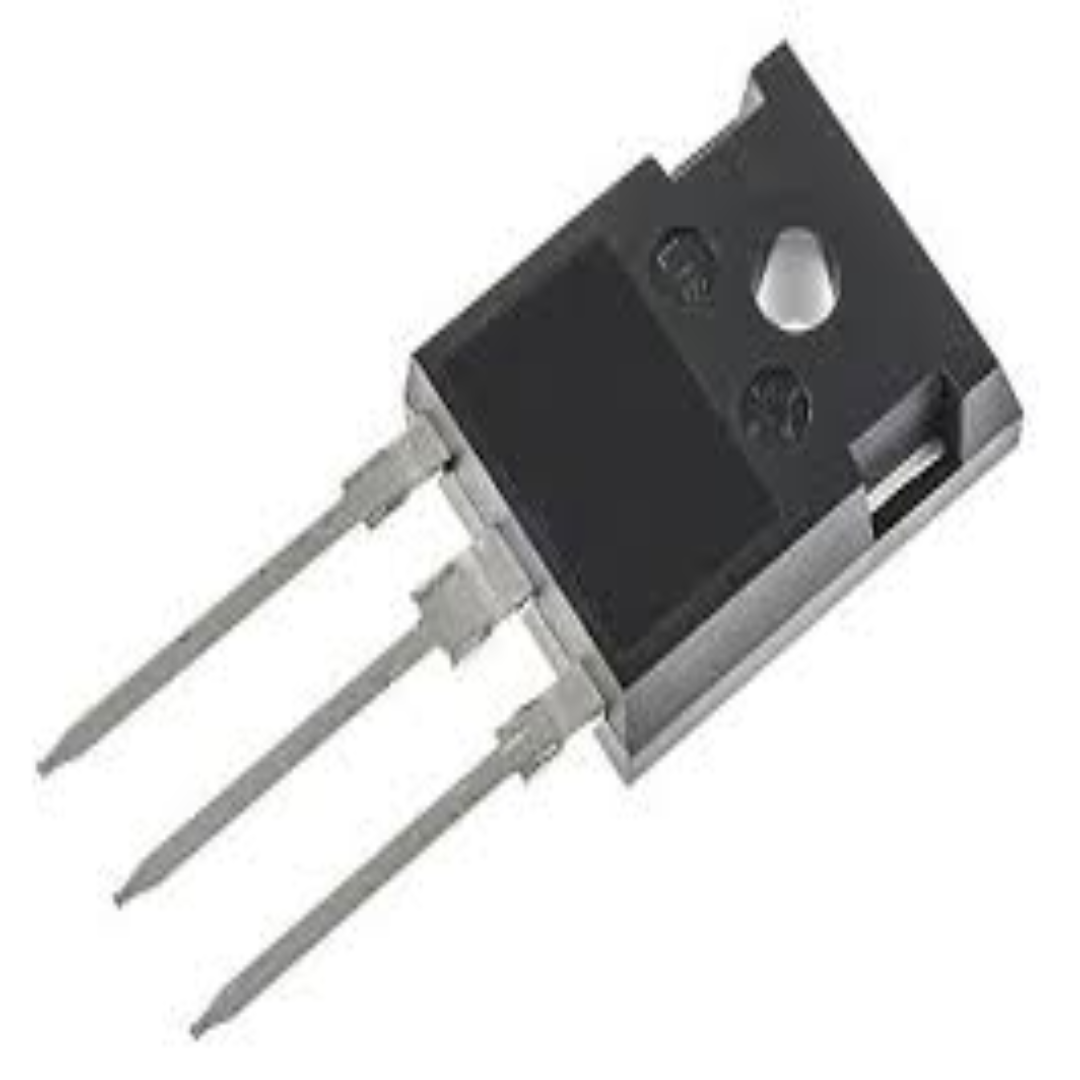
Bipolar ICs are integrated circuits that are fabricated using bipolar junction transistor (BJT) technology. They operate based on the movement of both electrons and holes, which allows them to deliver high speed, high gain, and excellent analog performance compared to some other IC technologies.
These ICs are commonly used in applications requiring precise amplification, low noise, and high current drive. Typical examples include operational amplifiers, analog switches, voltage regulators, comparators, and RF amplifiers. Bipolar ICs are known for their stable performance, good linearity, and ability to handle higher power levels.
Bipolar ICs are widely used in analog and mixed-signal applications such as audio equipment, industrial instrumentation, communication systems, and power control circuits. Although they generally consume more power than CMOS-based ICs, they remain valuable where performance and signal accuracy are critical.