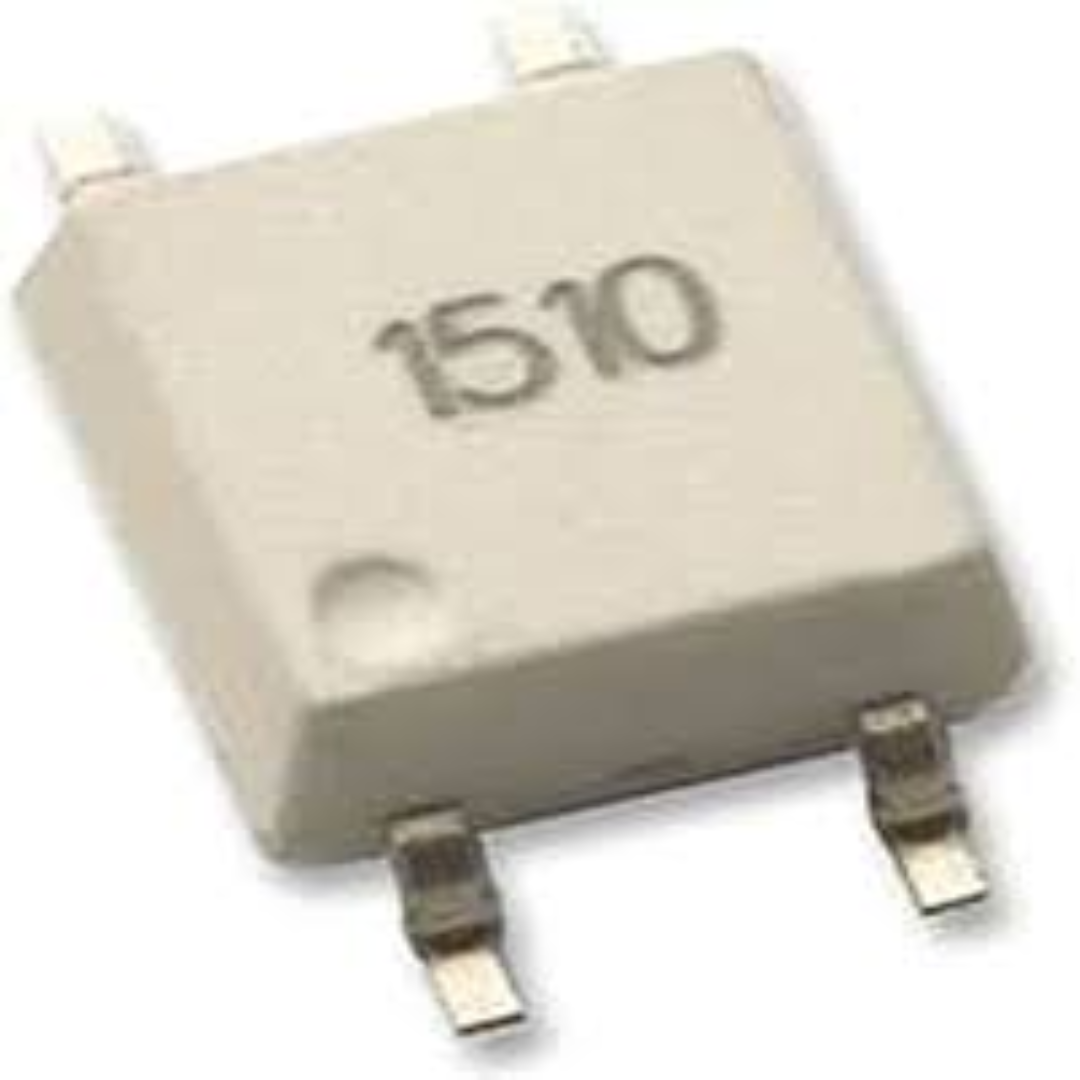
Solid-state relays (SSRs) are electronic switching devices that control electrical loads without any moving mechanical parts. Instead of physical contacts, SSRs use semiconductor components such as thyristors, triacs, transistors, or MOSFETs to switch circuits on and off. This solid-state design enables fast, silent, and highly reliable operation, even under frequent switching conditions.
SSRs are activated by a low-power input signal, typically from a PLC, microcontroller, or control circuit, while safely isolating the control side from the load side through optical or electronic isolation. This isolation protects sensitive control electronics from voltage spikes, electrical noise, and high-power transients.
One of the key advantages of solid-state relays is their long operational life, as the absence of mechanical contacts eliminates wear, arcing, and contact bounce. SSRs also provide high switching speeds and consistent performance, making them ideal for applications that require precise timing or rapid cycling. Additionally, SSRs operate silently, which is beneficial in noise-sensitive environments.