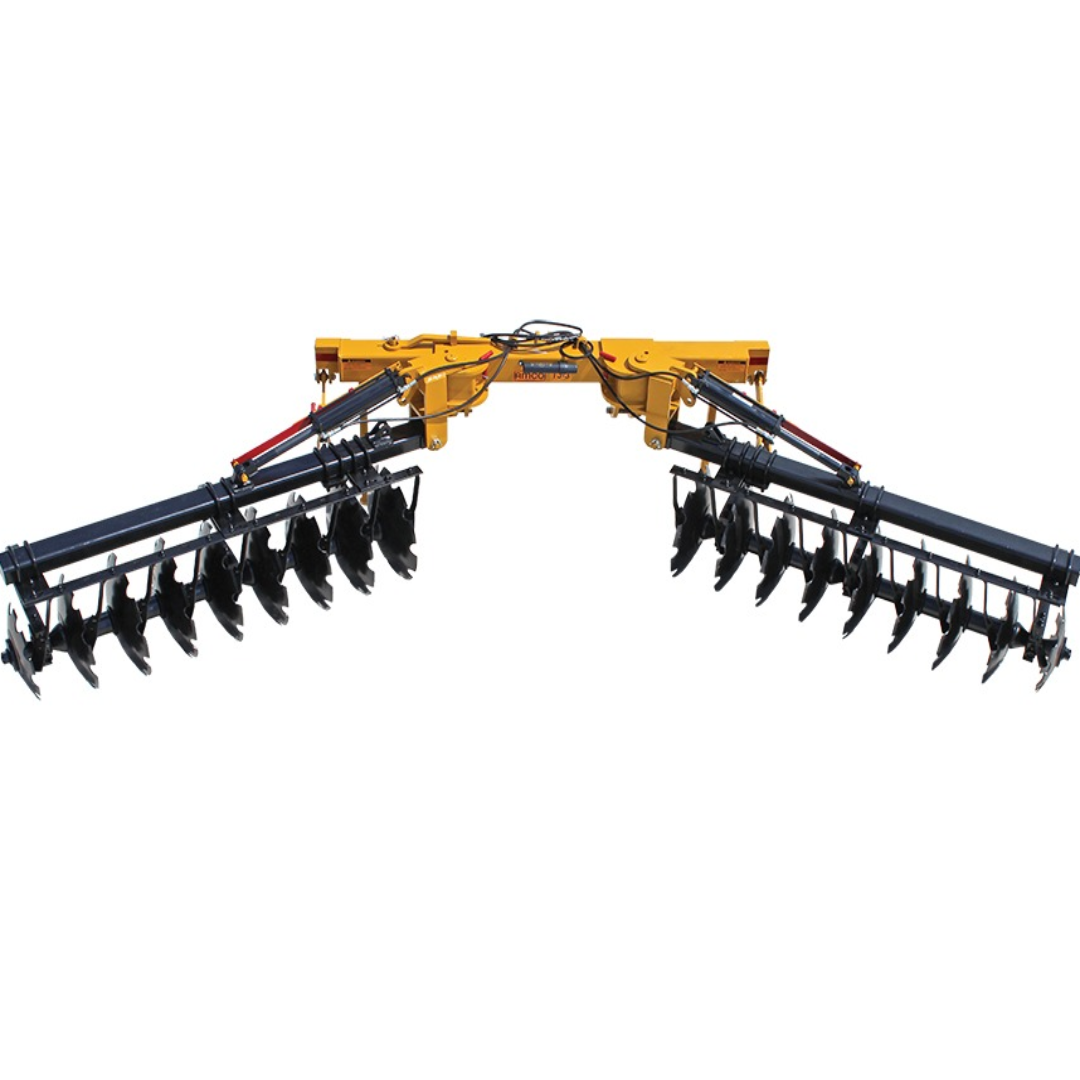
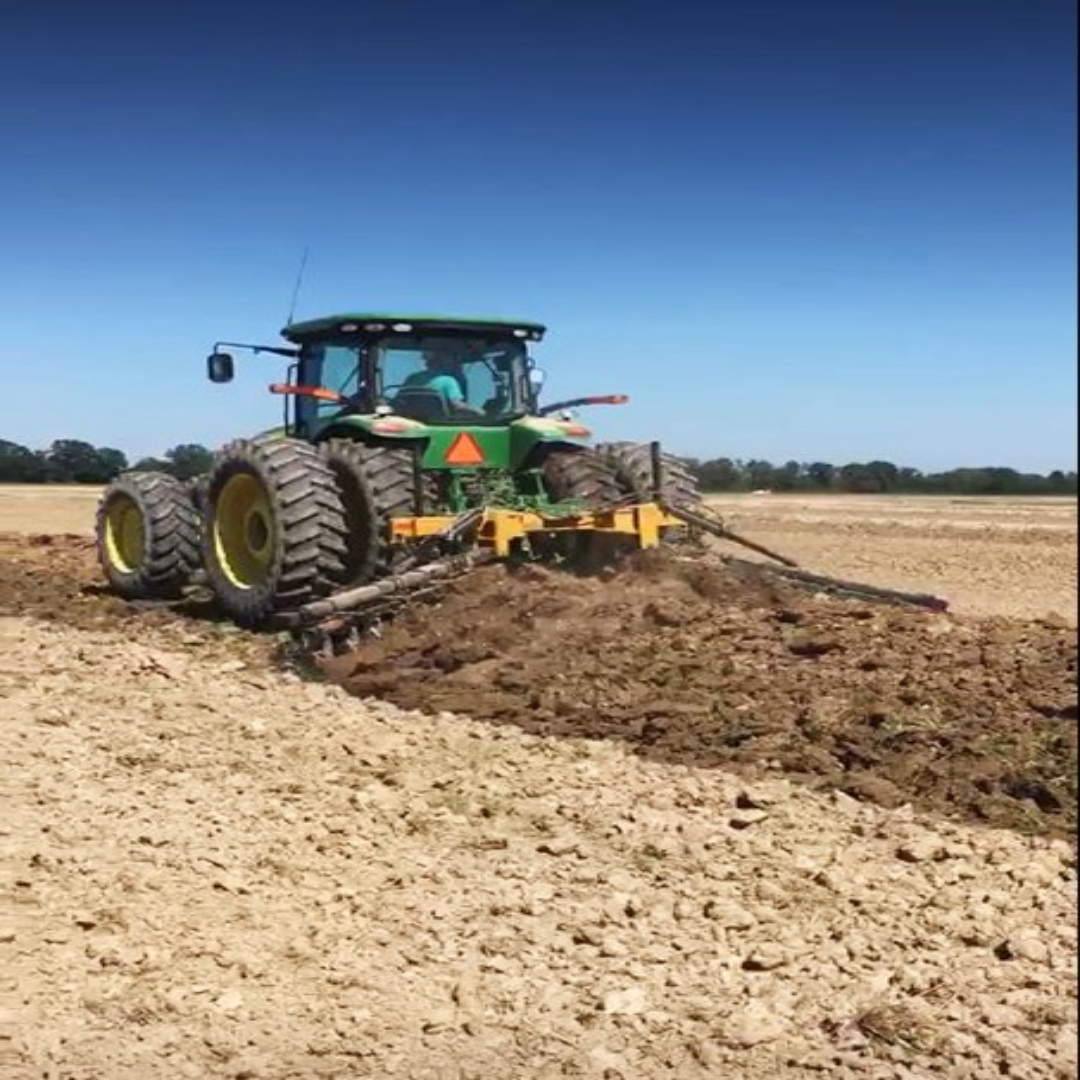
Terracing plows are specialized agricultural implements designed to construct terraces—flat steps or embankments—on sloped land to control soil erosion and manage water runoff. These terraces help slow down water flow, allowing it to infiltrate the soil rather than washing away valuable topsoil. This practice is particularly beneficial in hilly or mountainous regions where traditional farming methods may lead to significant soil erosion.
Key Features of Terracing Plows -
Construction of Terraces: Terracing plows are used to create terraces by cutting into the slope and forming embankments or channels. This process transforms steep land into a series of level platforms, making it suitable for cultivation.
Soil Erosion Control: By reducing the speed of water runoff, terracing plows help prevent soil erosion, which can degrade land and reduce agricultural productivity. Terraces act as barriers that slow down water, allowing it to be absorbed into the soil.
Water Management: Terraces facilitate better water management by capturing and directing water flow, ensuring that crops receive adequate moisture without the risk of waterlogging or drought.
Enhanced Crop Yield: Implementing terraces can lead to improved crop yields by providing a more stable and fertile environment for plant growth.