Product Description
Gluten-free wheat alternatives encompass a wide range of grains, flours, and starches that naturally contain no gluten and are used in place of traditional wheat-based ingredients. These alternatives offer diverse flavors, textures, and nutritional benefits, making them suitable for individuals with gluten intolerance, celiac disease, or those seeking wheat-free dietary options.
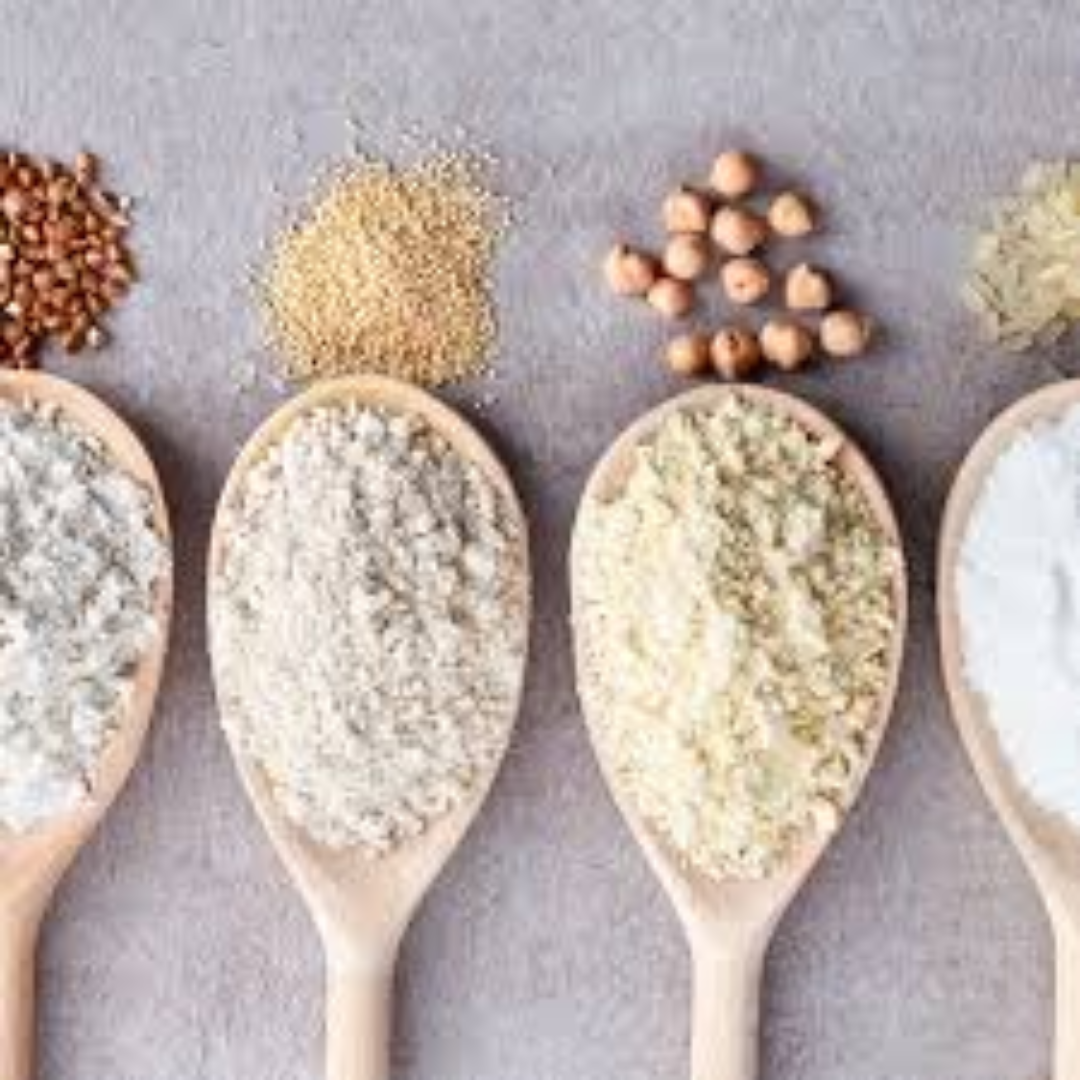
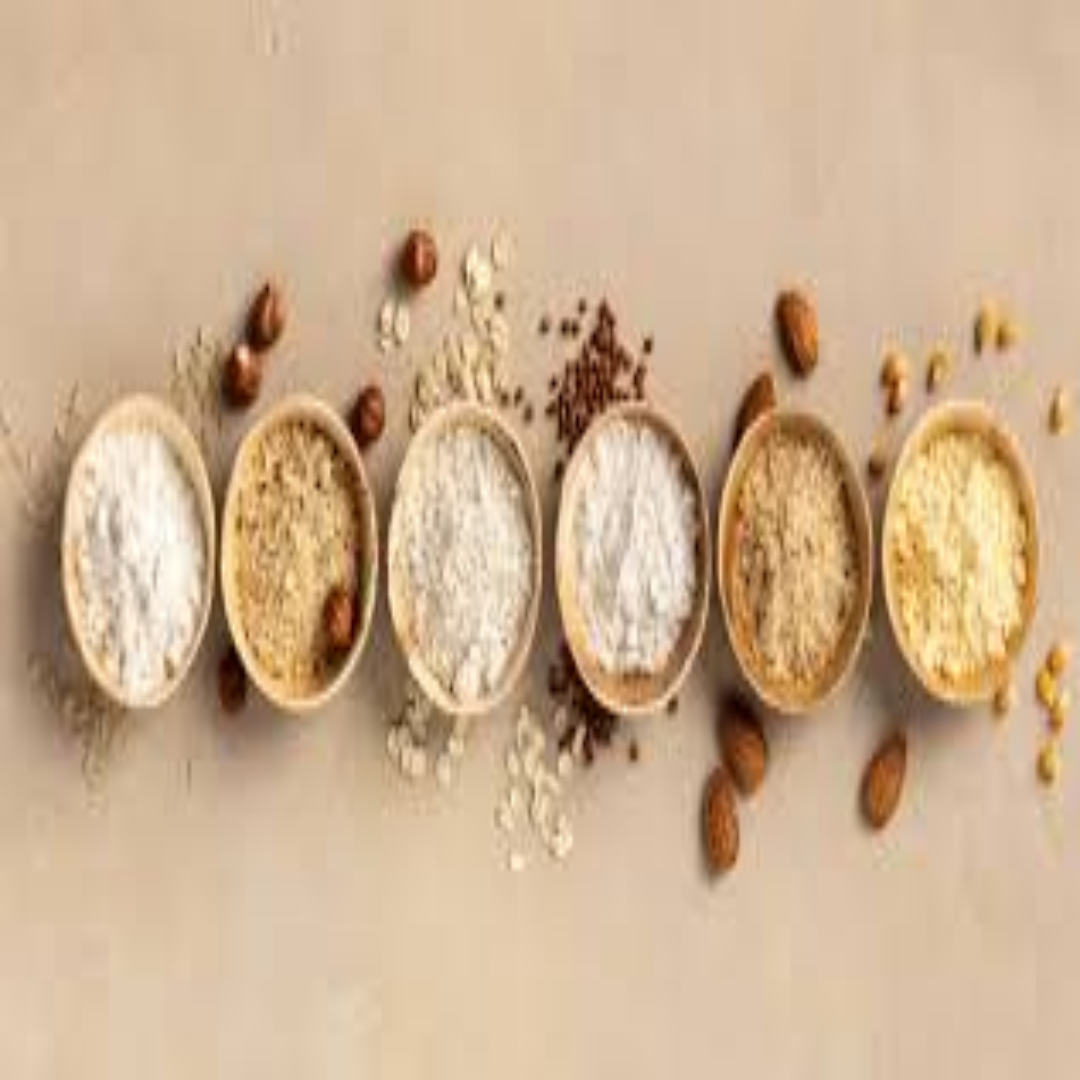
Common gluten-free substitutes include rice flour, sorghum flour, millet flour, buckwheat flour, quinoa flour, amaranth flour, oat flour (certified gluten-free), tapioca starch, potato starch, and cornmeal. Each provides unique functional properties—such as binding, thickening, crisping, or adding structure—allowing them to be blended for optimal performance in baking, cooking, and processed foods.
From breads, cookies, and cakes to noodles, snacks, and beverage mixes, gluten-free wheat alternatives support clean-label formulations while delivering wholesome nutrition, texture versatility, and inclusive food options for a wider consumer base.


 HK
HK
.png) Verified Supplier
Verified Supplier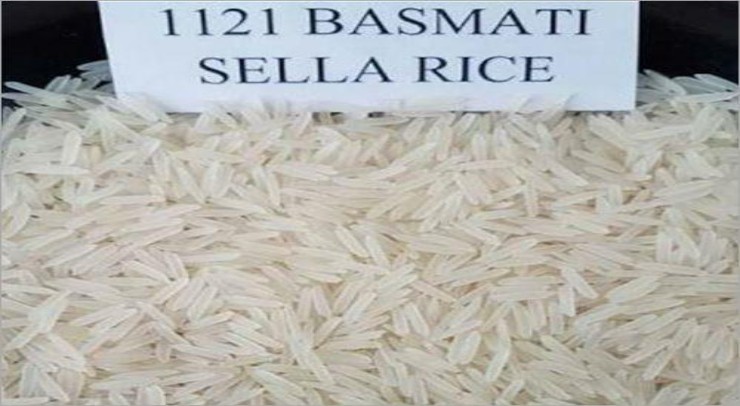

 IN
IN