Electric height adjustment - Motor-driven range typically from ~47 cm to ~88 cm (or 50–95 cm) to aid patient access and reduce clinician strain.
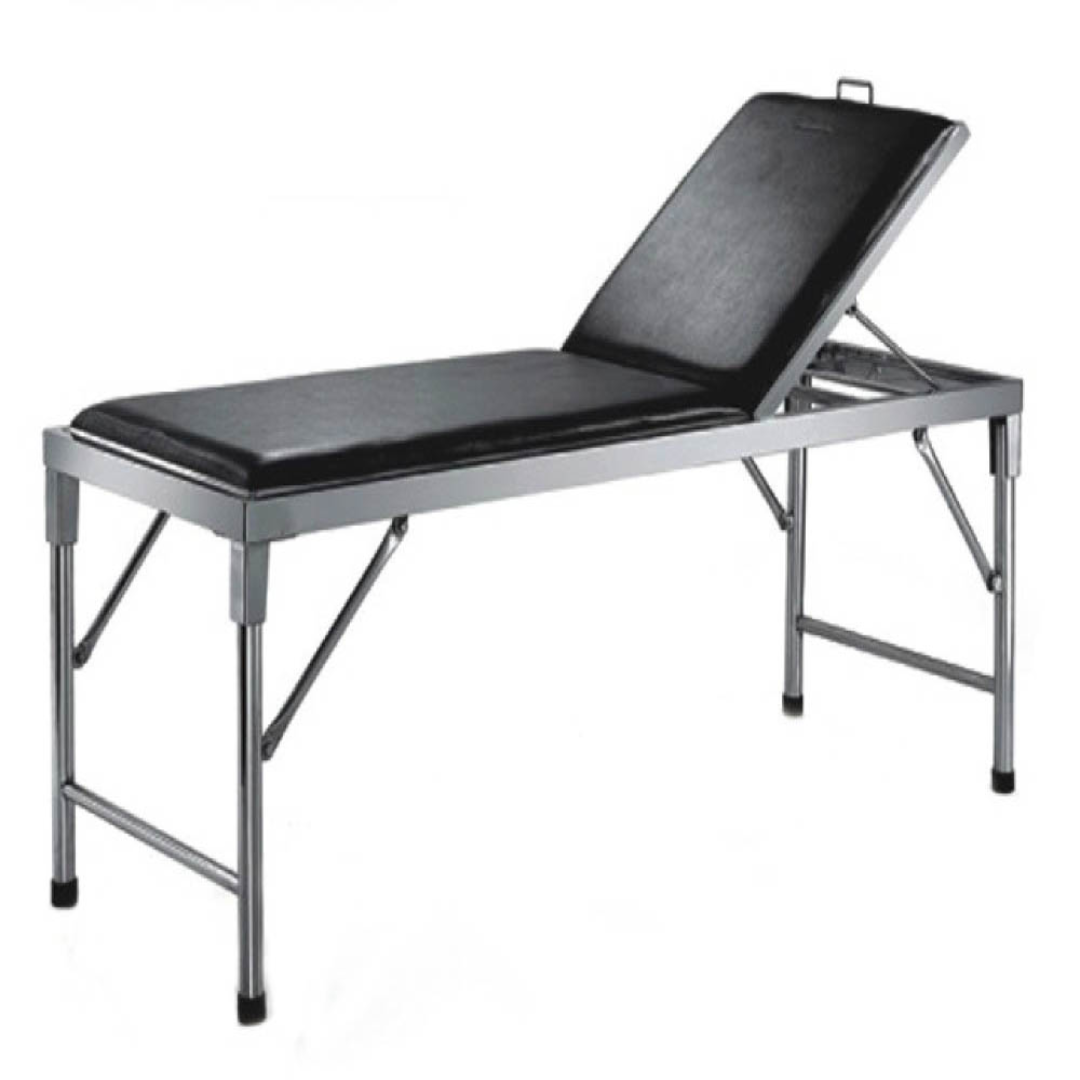
Adjustable backrest, trendelenburg/reverse‑trendelenburg - Powered or gas-spring control enables backrest angles from about –30° to +75°, and tilt positions to facilitate positioning and therapeutic procedures.
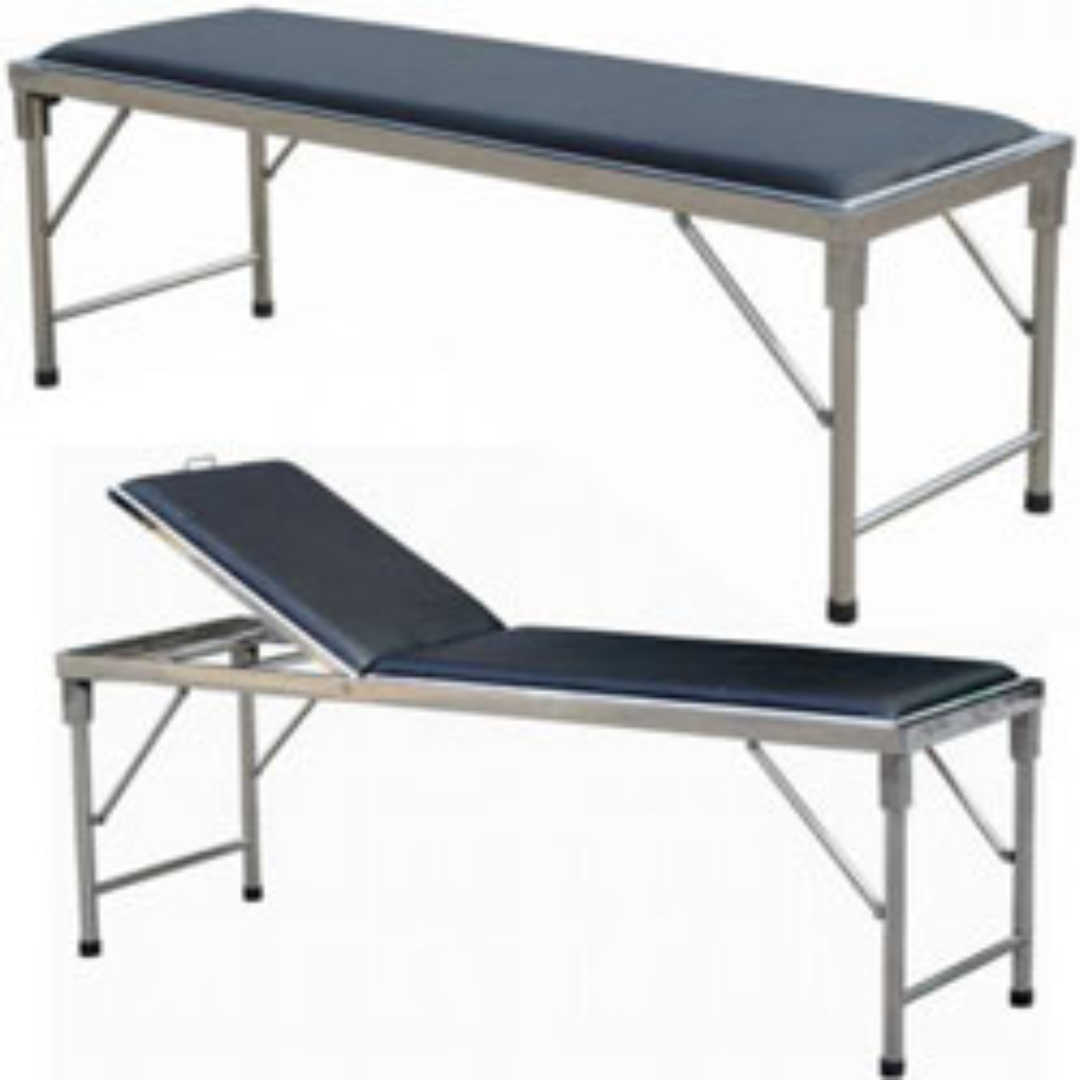
Multi-section platform - Configurations include 2‑section, 3‑section, or even 6‑section designs, allowing back, seat, and leg adjustments—ideal for physiotherapy and specialized exams.
Sturdy, clinical-grade build - Features metal frames (CRCA tubing or stainless steel), antibacterial powder-coated finish, flame‑ and stain-resistant upholstery, and weight capacities up to ~225–250 kg.
Mobility and stability options - Lockable swivel castors (75–100 mm) for ease of relocation, often retractable to allow hoist clearance.
Hand or foot control - Intuitive remote handsets or foot pedals operate lifts and tilts for hygienic convenience.