
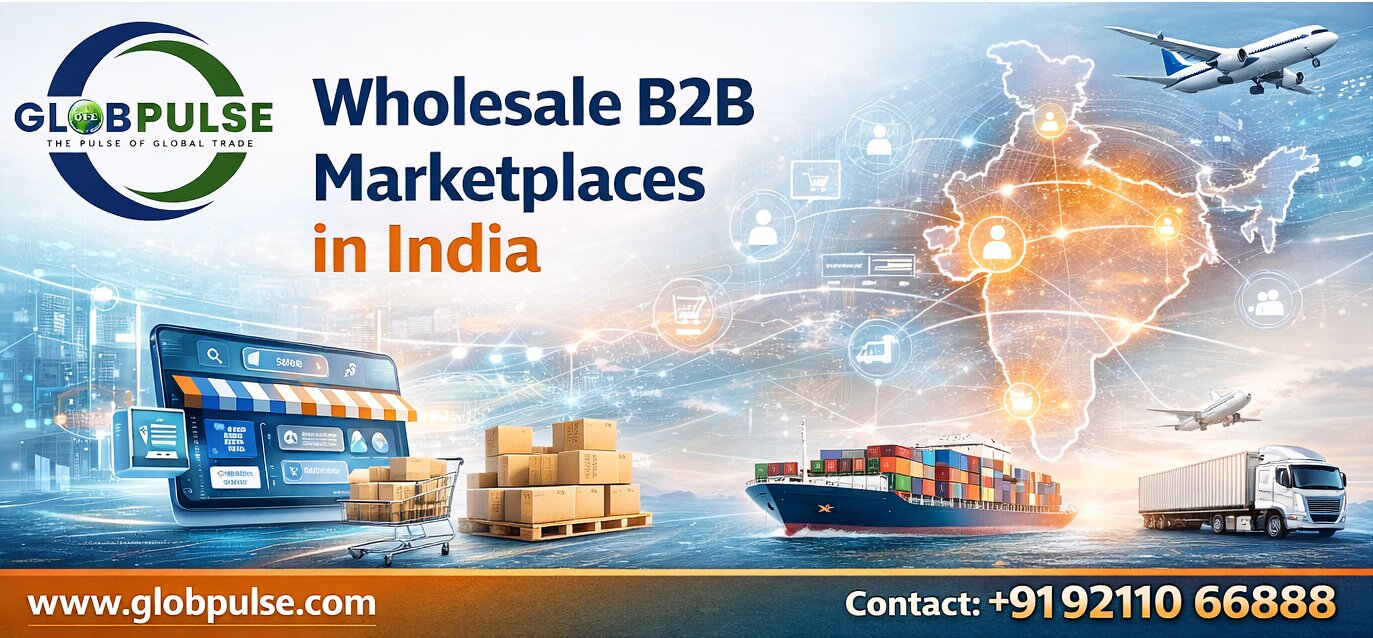
Wholesale B2B Marketplaces in India: Paving the Way for a Digital Wholesale Future
India's business-to-business (B2B) landscape is undergoing a profound transformation, with wholesale B2B marketplaces India emerging as pivotal drivers of this change. These online platforms are revolutionizing how businesses connect, trade, and grow by facilitating the seamless exchange of goods and services between manufacturers, wholesalers, distributors, and buyers. Unlike traditional trade practices heavily reliant on offline networks and personal connections, these digital ecosystems offer unprecedented convenience, transparency, and access to broader markets. The shift towards digital platforms began in the early 2000s, evolving from basic listing services to sophisticated, end-to-end solutions that encompass procurement, logistics, payment processing, and quality assurance. This evolution has empowered Indian manufacturers, exporters, and Small and Medium Enterprises (SMEs) by simplifying procurement, expanding customer reach, and providing robust digital tools to streamline transactions.
The Burgeoning Growth and Potential of India's B2B E-commerce Market
The Indian B2B e-commerce market is experiencing a period of rapid and sustained growth, driven by a confluence of factors that are reshaping the nation's economic fabric.
Market Size, Growth Projections, and Digital Transformation Drivers
The sheer size of India's predominantly unorganized B2B economy and fragmented supply chain presents immense potential for digital disruption. In 2022, B2B e-commerce constituted a mere 1% of the overall B2B market in India. However, this trajectory is set for a significant upswing. The Indian B2B e-commerce market is projected to reach $200 billion by 2025, growing at a Compound Annual Growth Rate (CAGR) of over 20%. By 2030, online-first, tech-enabled B2B marketplaces are anticipated to represent a remarkable $200 billion market opportunity. This growth is further underscored by projections that India's digital economy will contribute nearly one-fifth of the country's GDP by 2030.
Several key drivers are propelling this digital transformation:
Increased Internet Penetration and Smartphone Adoption: India has witnessed a phenomenal surge in internet users, with over 950 million internet subscribers and more than 650 million smartphone users as of mid-2024. This widespread digital access makes online B2B transactions increasingly accessible.
Consumer Digitization Tailwinds: The remarkable journey of consumer digitization in India, with over 100 million users engaging in online transactions by 2022, has laid a strong foundation for B2B digital adoption.
Technological Advancements: The integration of Artificial Intelligence (AI), blockchain, and data analytics is revolutionizing the sector, offering advanced tools for matchmaking, demand forecasting, and real-time inventory tracking. AI alone is expected to contribute an estimated $500 billion to the economy by 2025.
Pandemic-Driven Acceleration: The COVID-19 pandemic acted as a significant catalyst, compelling businesses to adopt digital platforms for survival and continuity.
Digital Payment Infrastructure: Developed payment infrastructure, particularly the Unified Payments Interface (UPI), has transformed B2B transactions, offering fast, secure, and convenient ways to transact. UPI handled 21.70 billion transactions worth ₹28.33 lakh crore in January 2026.
Key Enablers: Government Initiatives and Digital Infrastructure
The Indian government has played a crucial role in fostering a supportive ecosystem for the growth of wholesale B2B marketplaces in India through various initiatives and significant investments in digital infrastructure.
Digital India Campaign: This flagship program aims to transform India into a digitally empowered society and knowledge economy, promoting the adoption of digital B2B platforms. It focuses on improving connectivity, streamlining logistics, and expanding digital access.
Make in India Initiative: This initiative encourages domestic manufacturing and self-reliance, with B2B platforms like Solv helping MSMEs showcase locally made goods on a national scale.
Open Network for Digital Commerce (ONDC): ONDC is a significant development designed to democratize e-commerce by enabling seamless integration and interoperability among different participants in the digital commerce ecosystem. It aims to create a level playing field for sellers, buyers, and service providers, especially MSMEs, by fostering open protocols and reducing dependency on monopolistic platforms.
Open Credit Enablement Network (OCEN): OCEN empowers B2B marketplaces by streamlining credit access, fostering trust and transparency, and enabling personalized loan products. It helps manufacturers secure working capital for large global orders.
Goods and Services Tax (GST): Favorable regulatory changes, such as GST, have provided a strong tailwind to B2B marketplaces by streamlining taxation. The GSTN platform processed over ₹102.91 lakh crore in payments as of January 2026.
Government e-Marketplace (GeM): GeM is an online platform for public procurement, which has largely supplanted human interaction for vendor registration, order placement, and payment processing. It recorded over ₹4 lakh crore in order value in FY26 (till February 12, 2026).
National Logistics Policy: This policy boosts e-commerce by improving connectivity and streamlining logistics.
Digital Infrastructure: India's advanced digital infrastructure, including the expansion of 4G and 5G networks, affordable smartphones, and cheap data plans, is critical for efficient B2B marketplace operations.
Unlocking Value: Benefits for Indian Businesses and SMEs
Wholesale B2B marketplaces in India offer a multitude of benefits that directly contribute to the growth, profitability, and sustainability of Indian businesses, particularly SMEs.
Streamlined Procurement, Sales Processes, and Cost Efficiency
One of the most significant advantages of B2B marketplaces is their ability to simplify and optimize core business operations.
Simplified Procurement: These platforms allow businesses to find verified suppliers, compare products, negotiate pricing, and purchase goods in bulk from a single platform. This digital ecosystem helps businesses streamline procurement and reduce operational costs.
Efficient Sales Processes: For sellers, marketplaces provide robust digital tools to list products, manage stock, and process online orders, aiding in business operations at reduced costs.
Cost-Effectiveness for SMEs: B2B marketplaces offer an affordable platform for SMEs to promote their products and services, reducing costs associated with traditional operations like physical storefronts, advertisements, or trade fairs. They often provide competitive pricing and bulk purchasing options, helping businesses save on procurement. A McKinsey study found that SMEs using digital trade channels grow twice as fast as those relying only on offline sales.
Centralized Management: Marketplaces centralize tasks like order, inventory, and invoice management, allowing businesses to focus on growth.
Data-Driven Insights: These platforms track product demand, buyer interests, and location-specific trends, enabling businesses to make informed decisions based on data rather than guesswork.
Expanded Market Reach, Global Opportunities, and Enhanced Transparency
B2B marketplaces empower businesses to transcend geographical limitations and build stronger, more transparent trade relationships.
Wider Market Access: They enable businesses to connect with buyers across the country and even internationally, expanding reach beyond local markets. For example, a pump manufacturer in Coimbatore can easily connect with industrial buyers in Maharashtra, Gujarat, or even international markets.
Global Opportunities: Many platforms connect businesses directly with overseas buyers and provide guidance on export requirements, driving sales and new profit avenues. India's B2B exports through online marketplaces are forecasted to grow by 30% annually, driven by demand in markets like the Middle East, Africa, and Southeast Asia.
Enhanced Supply Chain Transparency and Efficiency: B2B marketplaces provide real-time tracking, enabling businesses to monitor orders, shipments, and inventory levels more effectively. This transparency improves communication between buyers and sellers, leading to more efficient supply chain operations and enhanced customer satisfaction.
Increased Business Visibility: Companies gain continuous online exposure, helping them generate more inquiries and leads. Marketplaces increase visibility by putting products in front of thousands of verified buyers.
Trust Building: Marketplaces verify sellers and buyers, cutting down risks and making it easier to secure deals. They bring credibility and transparency to every interaction.
Leading Wholesale B2B Marketplaces and Their Offerings
The Indian B2B marketplace ecosystem is populated by several prominent players, each offering distinct features and catering to various industry needs.
IndiaMART: As India's largest online B2B marketplace, IndiaMART connects millions of buyers and suppliers across diverse industries. It offers a large supplier network, multiple product categories, and easy communication tools.
Globpulse: An trusted B2B marketplace 100% connecting buyers with verified manufacturers, wholesalers, and suppliers across largest multiple industries, focusing on supplier verification and easy communication.
MSMEmart: An Indian B2B portal specifically designed to support Micro, Small, and Medium Enterprises (MSMEs) with online marketing, increased visibility, and connections to buyers and suppliers.
TradeIndia: A well-established marketplace for SMEs, TradeIndia has been connecting buyers and sellers globally since 1996. It provides a platform to list products, find suppliers, and connect with potential customers, offering benefits like lead management, secure payment gateways, and digital marketing solutions.
Udaan: Udaan is a leading B2B e-commerce platform that links wholesalers and manufacturers with retailers across various segments, including electronics, apparel, FMCG, and groceries. It facilitates bulk buying and selling at competitive wholesale prices, offering credit facilities, logistics support, and easy order management.
Alibaba: A global giant, Alibaba has a strong presence in the Indian B2B e-commerce space, connecting businesses with manufacturers and wholesalers worldwide. It facilitates large transactions, provides a wide pool of suppliers, secure payment alternatives, and trade assurance.
Flipkart Wholesale: This B2B e-commerce site by Flipkart caters to retailers, small businesses, and Kirana stores for bulk purchasing at lower prices. It boasts a strong supplier network, doorstep delivery, and affordable credit options.
ExportersIndia: This platform helps Indian businesses connect with international buyers, promoting export-oriented trade.
Navigating Challenges in Adoption and Operation
Despite the immense potential, the adoption and operation of wholesale B2B marketplaces in India face several significant hurdles that businesses and policymakers must address.
Addressing Digital Literacy, Complex Transactions, and Trust Building
Limited Digital Literacy: Many small-scale businesses, particularly in rural areas, face difficulties in adapting to digital tools due to limited digital literacy, lack of technical infrastructure, and unfamiliarity with online trade platforms. This limits their ability to leverage the full potential of B2B marketplaces.
Complex Transactions and Personal Relationships: B2B deals often involve complex orders, bulk deals, custom quotes, and flexible payment terms, which are challenging to replicate online. The personal nature of B2B relationships, traditionally managed by dedicated account managers, is a significant hurdle for online platforms.
Trust Issues and Verification: Trust is a critical factor in B2B transactions. Concerns about the authenticity and credibility of buyers and sellers, fraud, delayed payments, and data security are primary concerns. Building and maintaining trust is crucial for securing deals and fostering long-term relationships.
Logistics and Infrastructure: Inadequate infrastructure, including overcrowded roads, ports, and airports, as well as limited network coverage and unreliable internet connectivity in rural areas, can lead to delays and higher costs. Efficient last-mile delivery remains a significant challenge.
Payment Mechanisms: While digital payments are growing, a significant portion of the Indian population still relies on cash transactions. Challenges include managing multiple payment options, offering flexible credit lines, and addressing concerns about online payment fraud and cybersecurity.
Regulatory and Compliance Challenges: Businesses must navigate complex and ever-evolving regulations such as GST, customs duties, and data protection laws, which can be time-consuming.
High Competition and Market Saturation: The Indian e-commerce market is highly competitive, with numerous local and international players, leading to price wars and affecting seller profitability.
Attachment to Traditional Business Models: Many sellers are reluctant to change established offline business models, perceiving innovative solutions as costly and risky.
Future Trends: Innovation and Evolution of B2B Marketplaces
The future of wholesale B2B marketplaces in India is characterized by continuous innovation and evolution, driven by technological advancements and shifting business expectations.
Adoption of AI, Blockchain, and Data Analytics: AI will continue to play a vital role, enabling hyper-personalization, AI-powered buyer-supplier matching, demand forecasting, and automated quotation systems. Blockchain technology will enhance data security, trust, and transparency in transactions through digital verification badges and secure payment gateways.
Growing Importance of Sustainability and Ethical Sourcing: As global attention shifts towards environmental responsibility, B2B platforms will increasingly focus on sustainability and ethical sourcing, influencing how businesses operate.
The Increasing Role of Mobile Commerce: Mobile-first platforms and enhanced customer experience will make B2B e-commerce more accessible to a wider range of businesses.
Integrated Logistics and Payments: Deeper integration of logistics and payments within B2B platforms will simplify trade, offering integrated logistics partners, transparent shipping costs, and secure digital and milestone-based payments. This will particularly benefit MSMEs that struggle with coordination and delayed payments.
Cross-Border Trade Expansion: B2B marketplaces will play a larger role in enabling cross-border trade for Indian manufacturers, offering increased international buyer discovery, export-oriented product visibility, and multi-currency pricing tools.
Hyper-Personalization and "Store of One": B2B buyers will expect highly personalized experiences, with platforms recognizing specific contract terms, negotiated bulk pricing, and even predicting stock needs.
Unified Hybrid Commerce (B2B + D2C): A significant trend will be Indian manufacturers selling both to distributors (B2B) and directly to consumers (D2C) from a single platform.
Self-Service and "Zero-Touch" Procurement: Businesses will increasingly demand self-service options, allowing them to manage orders, track shipments, and access invoices independently.
Frequently Asked Questions (FAQ)
What defines a wholesale B2B marketplace in India?
A wholesale B2B marketplace in India is an online platform where businesses buy and sell products in bulk quantities. These platforms connect various stakeholders in the supply chain, including manufacturers, wholesalers, distributors, exporters, importers, and retail businesses. They are centered around business buyers and suppliers, facilitating bulk orders, lower wholesale prices, and procedural procurement with recurrent transactions, unlike B2C platforms that cater to individual consumers.
How do B2B marketplaces specifically empower Indian SMEs?
B2B marketplaces empower Indian SMEs in several crucial ways:
Expanded Market Reach: They allow SMEs to showcase their products nationwide and globally, overcoming geographical limitations and connecting with a wider network of buyers.
Cost-Effective Operations: Marketplaces reduce the costs associated with traditional business operations like setting up physical storefronts, running advertisements, or participating in trade fairs. They offer affordable platforms for marketing and sales.
Streamlined Processes: They simplify procurement and sales processes, making it easier for SMEs to list products, manage inventory, and process orders efficiently.
Access to Financing: Many B2B e-commerce platforms offer short-term credit, invoice financing, and credit lines specifically to MSMEs, addressing a major challenge in accessing capital.
Enhanced Visibility and Credibility: Marketplaces increase visibility by putting SME products in front of verified buyers and help build trust quickly through seller verification and buyer reviews.
Data-Driven Decision Making: Platforms provide insights into product demand, buyer interests, and market trends, enabling SMEs to make informed business decisions.
What are the primary challenges businesses face on these platforms?
Businesses utilizing wholesale B2B marketplaces in India encounter several primary challenges:
Trust Issues and Verification: A key concern is establishing trust and verifying the authenticity and credibility of buyers and sellers, leading to worries about fraud, delayed payments, and secure transactions.
Digital Literacy and Adoption: Many small-scale businesses, especially in rural areas, struggle with limited digital literacy, a lack of technical infrastructure, and unfamiliarity with online trade platforms, hindering their full participation.
Complex Transactions and Personalization: B2B transactions often involve intricate orders, bulk pricing, custom quotes, and the need for personalized relationships, which can be difficult to fully replicate and manage on a standardized online platform.
Logistics and Infrastructure Gaps: Inadequate physical infrastructure (roads, ports) and digital infrastructure (internet connectivity) can lead to delays, higher costs, and inefficiencies in the supply chain.
Payment Mechanism Challenges: While digital payments are growing, managing diverse payment options, offering flexible credit lines, and addressing concerns about digital payment fraud remain significant hurdles.
Regulatory and Compliance Complexity: Navigating the evolving regulatory landscape, including GST, customs duties, and data protection laws, can be complex and time-consuming for businesses.
High Competition: The market is highly competitive, with numerous players, potentially leading to price wars and affecting profit margins for sellers.
Conclusion: Paving the Way for a Digital Wholesale Future in India
The landscape of wholesale B2B marketplaces in India is undeniably dynamic and transformative. These platforms are not merely transactional portals but comprehensive digital ecosystems that are fundamentally reshaping how businesses operate, procure, and sell. From simplifying complex supply chains and offering cost efficiencies to expanding market reach both domestically and globally, B2B marketplaces are unlocking unprecedented value for Indian businesses, particularly for the vast network of MSMEs.
While challenges such as digital literacy gaps, trust-building, and the intricacies of B2B transactions persist, ongoing innovation in AI, blockchain, and integrated logistics promises to address these hurdles. Government initiatives like Digital India, ONDC, and OCEN are providing a robust framework and digital infrastructure, further accelerating adoption and growth.
As we move forward, the convergence of technological advancements, supportive policies, and an increasingly digitally-savvy business community will solidify the position of B2B marketplaces as essential tools for trade and economic progress. For Indian businesses willing to embrace this digital shift, these platforms offer not just access to new buyers and suppliers but a clear pathway to enhanced efficiency, scalability, and sustainable growth in the competitive global marketplace. The future of wholesale in India is undeniably digital, and B2B marketplaces are at the forefront, paving the way for a more connected, transparent, and prosperous trading environment.
Explore More Helpful Resources for Your Business Growth
Looking to expand your wholesale network or explore more B2B opportunities? We’ve created detailed guides to help you make smarter business decisions.
If you’re serious about growing your supplier or export business, these articles will give you practical insights, platform comparisons, and market strategies.
How to Choose Best B2B Portal for Export Business in India
A complete guide to selecting the most suitable B2B portal for your export business — compare features, pricing, and benefits of top marketplaces.
👉 https://www.globpulse.com/blog/how-to-choose-best-b2b-portal-for-export-business-in-india
Top International B2B Marketplace for Wholesale & Trade 2026
Explore the leading global B2B marketplaces for wholesale trade in 2026 and find where your business fits best.
👉 https://www.globpulse.com/blog/top-international-b2b-marketplace-wholesale-trade-2026